---
title: "Bulk Biomass Storage: Choosing the Right Bag for Safe, Efficient Material Handling"
description: Reduce warehouse footprint and prevent bag bulge. Learn why baffled bags are the ideal bulk bags for pinto beans.
image: https://blog.nationalbulkbag.com/hubfs/Untitled%20(1000%20x%20400%20px)%20(2).png
---
Call Us Today! 1-888-237-4224|[info@nationalbulkbag.com](mailto:info@nationalbulkbag.com)
[](http://www.nationalbulkbag.com/)
- [HOME](https://www.nationalbulkbag.com/)
- [BULK BAGS](https://www.nationalbulkbag.com/fibc-bulk-bags/)
- [In-Stock Bulk Bags](https://www.nationalbulkbag.com/fibc-bulk-bags/)
- [Duffle Top Bulk Bags](https://www.nationalbulkbag.com/fibc-bulk-bags/duffle-top-bulk-bags/)
- [Spout Top Bulk Bags](https://www.nationalbulkbag.com/fibc-bulk-bags/spout-top-bulk-bags/)
- [Bulk Bags with Baffles](https://www.nationalbulkbag.com/fibc-bulk-bags/bulk-bags-baffles/)
- [Vented Bulk Bags](https://www.nationalbulkbag.com/fibc-bulk-bags/vented-bulk-bags/)
- [Food Grade Bulk Bags](https://www.nationalbulkbag.com/fibc/in-stock-food-grade-bulk-bags/)
- [Bulk Bags with Liners](https://www.nationalbulkbag.com/fibc/bulk-bags-liners/)
- [Bulk Bag Poly Liners](https://www.nationalbulkbag.com/products/bulk-bag-liners/bulk-bag-liners/)
- [Hemp Bulk Bags](https://www.nationalbulkbag.com/hemp-fibc-bulk-bags/)
- [Bulk Bag Filling Equipment](https://www.nationalbulkbag.com/products/bulk-bag-filling-equipment/ibc3000-fibc-bulk-bag-filler/)
- [FOOD GRADE FIBCS](https://www.nationalbulkbag.com/food-grade-bulk-bags/)
- [PRODUCE PACKAGING](https://www.nationalbulkbag.com/produce-packaging/)
- [Produce Packaging](https://www.nationalbulkbag.com/produce-packaging/)
- [Mesh Produce Bags](https://www.nationalbulkbag.com/produce-packaging/mesh-produce-bag/)
- [Potato Bags](https://www.nationalbulkbag.com/produce-packaging/potato-bag/)
- [Burlap Bags](https://www.nationalbulkbag.com/produce-packaging/burlap-bags/)
- [Custom Poly Bags](https://www.nationalbulkbag.com/produce-packaging/custom-poly-bags/)
- [Woven Polypropylene Bags](https://www.nationalbulkbag.com/produce-packaging/woven-polypropylene-bags/)
- [Netting Bags](https://www.nationalbulkbag.com/produce-packaging/netting-bags/)
- [V-board](https://www.nationalbulkbag.com/produce-packaging/gaylord-box/vboard/)
- [Gaylord Boxes](https://www.nationalbulkbag.com/produce-packaging/gaylord-box/)
- [BUYER TOOLS](https://www.nationalbulkbag.com/national-bulk-bag-resources/)
- [Blog](https://blog.nationalbulkbag.com)
- [Bulk Bags](https://blog.nationalbulkbag.com/topic/bulk-bags)
- [Food Grade Bulk Bags](https://blog.nationalbulkbag.com/topic/food-grade-bulk-bags)
- [Bulk Bag Safety](https://blog.nationalbulkbag.com/topic/bulk-bag-safety)
- [Bulk Bag Liners](https://blog.nationalbulkbag.com/topic/bulk-bag-liners)
- [Bulk Bag Industries](https://blog.nationalbulkbag.com/topic/bulk-bag-industries)
- [Bulk Bag Construction](https://blog.nationalbulkbag.com/topic/bulk-bag-construction)
- [UN Certified Bulk Bags](https://blog.nationalbulkbag.com/topic/un-certified-bulk-bags)
- [Pharmaceutical Bulk Bags](https://blog.nationalbulkbag.com/topic/pharmaceutical-bulk-bags)
- [Bulk Bag Buyer Tools](https://www.nationalbulkbag.com/national-bulk-bag-resources/)
- [Bulk Bag Construction Options](https://www.nationalbulkbag.com/bulk-bags/)
- [Bulk Bag Safety](https://www.nationalbulkbag.com/bulk-bag-safety/)
- [Bulk Bag Liners](https://www.nationalbulkbag.com/fibc-liners/)
- [Custom Bulk Bags](https://www.nationalbulkbag.com/custom-bulk-bag-design/)
- [Downloadable Resources](https://www.nationalbulkbag.com/national-bulk-bag-downloadable-resources/)
- [Types Of Bulk Bags A B C & D](https://www.nationalbulkbag.com/types-of-fibc-bulk-bags-a-b-c-d-explained/)
- [FAQ](https://www.nationalbulkbag.com/faq/)
- [Bulk Bag Glossary](https://www.nationalbulkbag.com/fibc-bulk-bag-glossary/)
- [Bulk Bag Industries](https://www.nationalbulkbag.com/bulk-bag-industries/)
- [UN Certified Bulk Bags](https://www.nationalbulkbag.com/un-certified-bulk-bags/)
- [ABOUT](https://www.nationalbulkbag.com/about-national-bulk-bag/)
- [About National Bulk Bag](https://www.nationalbulkbag.com/about-national-bulk-bag/)
- [Meet National Bulk Bag](https://www.nationalbulkbag.com/about-national-bulk-bag/meet-national-bulk-bag/)
- [Why Work With Us?](https://www.nationalbulkbag.com/why-work-with-national-bulk-bag/)
- [Worldwide Sourcing](https://www.nationalbulkbag.com/worldwide-sourcing-of-fibc-bulk-bags/)
- [GET QUOTE](https://www.nationalbulkbag.com/#book-a-demo-87520745-c6b8cd1f)
# Bulk Biomass Storage: Choosing the Right Bag for Safe, Efficient Material Handling
[%20(2).png)](https://blog.nationalbulkbag.com/managing-bulk-biomass-storage-practical-packaging-solutions-for-facilities)
Bulk biomass storage depends on more than the storage environment. Selecting the right industrial bag can help protect material quality, improve handling efficiency, and reduce operational challenges.
Bulk biomass storage plays a critical role in industries that process wood pellets, wood chips, sawdust, agricultural residues, and other organic materials. While storage conditions are important, the type of bag or bulk container used can also affect material quality, handling efficiency, and worker safety. Understanding the options available helps operations managers and engineers choose packaging that supports efficient material movement throughout the supply chain.
# **What Types of Bags Are Used for Bulk Biomass Storage?**
Several packaging options are commonly used for bulk biomass storage and transportation, depending on the material, shipping method, and storage requirements. Flexible Intermediate Bulk Containers (FIBCs), often called bulk bags, are widely used for dry biomass materials such as wood pellets, wood flour, sawdust, agricultural byproducts, and processed cannabis biomass. These large woven polypropylene bags can hold substantial volumes while remaining easy to lift, store, and transport.
Smaller woven polypropylene bags are commonly used when biomass products are packaged for retail or smaller-volume industrial applications. For moisture-sensitive materials—including cannabis biomass intended for extraction or further processing—liners may be added inside bulk bags to provide an additional barrier against moisture, odors, and contamination during storage and transit.
## **Why Is Moisture Management Important in Bulk Biomass Storage?**
Moisture is one of the biggest challenges in bulk biomass storage. Excess moisture can increase biological activity, promote mold growth, reduce fuel quality, and create handling problems. For products like cannabis biomass, controlling moisture is especially important for preserving material quality before extraction or manufacturing. Whether biomass is stored in bulk bags, silos, or covered storage areas, protecting material from precipitation and excessive humidity helps maintain product consistency and supports reliable downstream processing.
## **What Safety Considerations Should Facilities Keep in Mind?**
Bulk biomass storage requires attention to combustible dust, housekeeping, and proper handling practices. Packaging should be matched to the material being stored and handled according to manufacturer recommendations and facility operating procedures. Depending on the application, facilities may also consider bag designs that help control static electricity when handling fine, dry materials. Combined with appropriate dust control, preventive maintenance, and routine inspections, proper packaging supports safer and more efficient biomass operations.
Effective bulk biomass storage requires balancing material protection, handling efficiency, and operational safety. Whether storing wood products, agricultural residues, or cannabis biomass, choosing the right bag for the application—along with sound storage practices and routine maintenance—helps preserve product quality while supporting reliable, efficient operations across the supply chain.
By [Ryan Riedel](https://blog.nationalbulkbag.com/author/ryan-riedel)
July 16, 2026
[0 Comments](https://blog.nationalbulkbag.com/managing-bulk-biomass-storage-practical-packaging-solutions-for-facilities#comments-listing)
#### Share This Story, Choose Your Platform!
- [Tweet](https://twitter.com/share)
#### About the Author: [Ryan Riedel](https://blog.nationalbulkbag.com/author/ryan-riedel)
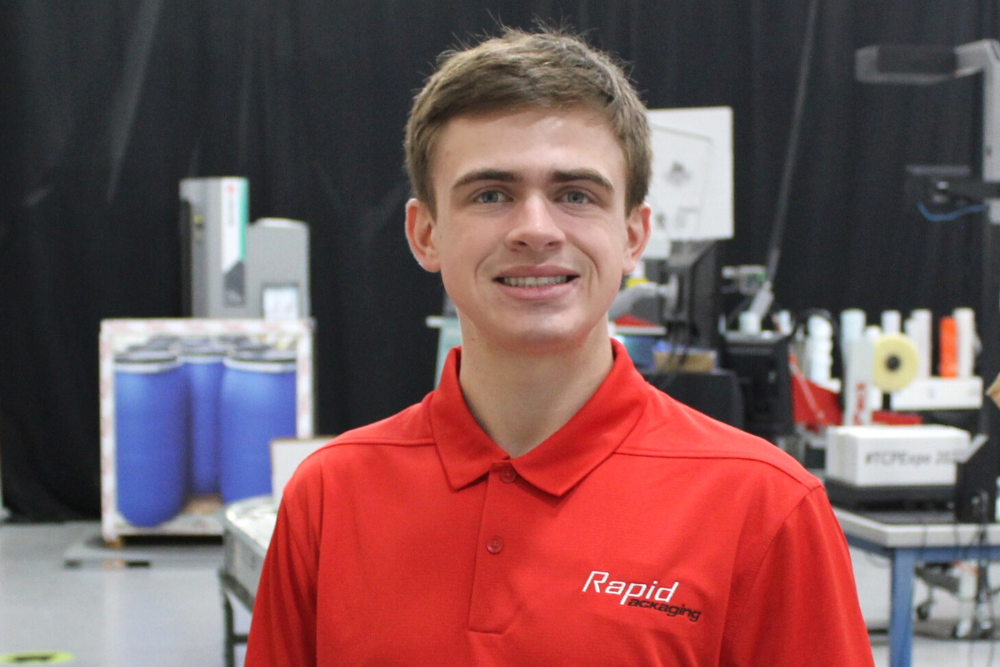
Ryan Ridel is an Inside Sales Representative at Rapid Packaging/National Bulk Bag. He holds a Bachelor’s degree in Business Administration and will complete his Master’s degree in Business Administration this Fall. Inspired by his father, a Packaging Engineer, Ryan has immersed himself in the packaging industry. Outside of work, he is an avid traveler, hiker, and explorer of National Parks, having visited 23 National Parks and 31 states. Ryan also enjoys playing soccer, racing on a mountain bike team, and previously played college football and volleyball.
Search
### Blog Categories
- [Bulk Bags (62)](https://blog.nationalbulkbag.com/topic/bulk-bags)
- [Bulk Bag Construction (27)](https://blog.nationalbulkbag.com/topic/bulk-bag-construction)
- [Bulk Bag Industries (21)](https://blog.nationalbulkbag.com/topic/bulk-bag-industries)
- [Food Grade Bulk Bags (18)](https://blog.nationalbulkbag.com/topic/food-grade-bulk-bags)
- [Produce Packaging (14)](https://blog.nationalbulkbag.com/topic/produce-packaging)
- [Bulk Bag Safety (11)](https://blog.nationalbulkbag.com/topic/bulk-bag-safety)
- [Bulk Bag Liners (8)](https://blog.nationalbulkbag.com/topic/bulk-bag-liners)
- [Dumpster Bag (6)](https://blog.nationalbulkbag.com/topic/dumpster-bag)
- [UN Certified Bulk Bags (5)](https://blog.nationalbulkbag.com/topic/un-certified-bulk-bags)
- [Pharmaceutical Bulk Bags (2)](https://blog.nationalbulkbag.com/topic/pharmaceutical-bulk-bags)
- [Agriculture Packaging Companies (1)](https://blog.nationalbulkbag.com/topic/agriculture-packaging-companies)
- [Burlap Bags (1)](https://blog.nationalbulkbag.com/topic/burlap-bags)
- [Grinding Media (1)](https://blog.nationalbulkbag.com/topic/grinding-media)
- [firewood bags (1)](https://blog.nationalbulkbag.com/topic/firewood-bags)
#### Browse our 50+ in-stock bulk bags
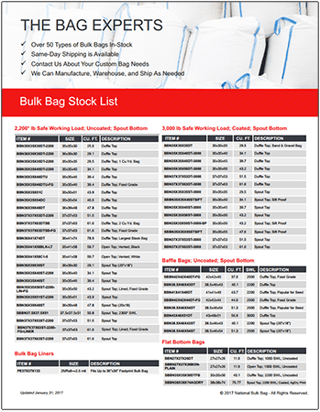
We stock one of the largest FIBC Bulk Bag inventories in the United States. Whether you are packing chemicals, food, minerals, resin, sand, soil or any dry flow-able product, we stock or can manufacture a bag to meet your requirements.
### Subscribe to our blog updates

**National Bulk Bag** has over 75 different types of FIBCs in stock and a team of experts that are ready to help.
### Secondary Navigation
- [Blog](https://blog.nationalbulkbag.com/)
- [Privacy Policy](http://www.nationalbulkbag.com/privacy-policy/)
- [FAQ](http://www.nationalbulkbag.com/faq/)
- [Custom Bags](http://www.nationalbulkbag.com/custom-bulk-bag-design/)
- [Get Quote](https://offers.nationalbulkbag.com/get-a-free-bulk-bag-quote)
- [Industries](http://www.nationalbulkbag.com/bulk-bag-industries/)
- [In-Stock Bags](http://www.nationalbulkbag.com/fibc-bulk-bags/)
- [Why NBB?](http://www.nationalbulkbag.com/why-work-with-national-bulk-bag/)
- [Meet NBB](http://www.nationalbulkbag.com/about-national-bulk-bag/meet-national-bulk-bag/)
- [Bulk Bag Types](http://www.nationalbulkbag.com/types-of-fibc-bulk-bags-a-b-c-d-explained/)
### AN AFFILIATE OF
[](https://www.rapidpackaging.com/)
### CONTACT US
Toll Free: 1-888-237-4224
Fax: 1-888-237-3722
Email: [info@nationalbulkbag.com](mailto:info@nationalbulkbag.com?Subject=National%20Bulk%20Bag%20Inquiry)
Copyright © 2018 National Bulk Bag | All rights reserved
Powered by [Digital 1](http://www.digital1ne.com)
-
-
-
-