---
title: National Bulk Bag Blog - The Bulk Bag Experts (6)
description: For tips, info, and recommendations on FIBC bulk bags, make sure to follow our National Bulk Bag Blog. (6)
---
Call Us Today! 1-888-237-4224|[info@nationalbulkbag.com](mailto:info@nationalbulkbag.com)
[](http://www.nationalbulkbag.com/)
- [HOME](https://www.nationalbulkbag.com/)
- [BULK BAGS](https://www.nationalbulkbag.com/fibc-bulk-bags/)
- [In-Stock Bulk Bags](https://www.nationalbulkbag.com/fibc-bulk-bags/)
- [Duffle Top Bulk Bags](https://www.nationalbulkbag.com/fibc-bulk-bags/duffle-top-bulk-bags/)
- [Spout Top Bulk Bags](https://www.nationalbulkbag.com/fibc-bulk-bags/spout-top-bulk-bags/)
- [Bulk Bags with Baffles](https://www.nationalbulkbag.com/fibc-bulk-bags/bulk-bags-baffles/)
- [Vented Bulk Bags](https://www.nationalbulkbag.com/fibc-bulk-bags/vented-bulk-bags/)
- [Food Grade Bulk Bags](https://www.nationalbulkbag.com/fibc/in-stock-food-grade-bulk-bags/)
- [Bulk Bags with Liners](https://www.nationalbulkbag.com/fibc/bulk-bags-liners/)
- [Bulk Bag Poly Liners](https://www.nationalbulkbag.com/products/bulk-bag-liners/bulk-bag-liners/)
- [Hemp Bulk Bags](https://www.nationalbulkbag.com/hemp-fibc-bulk-bags/)
- [Bulk Bag Filling Equipment](https://www.nationalbulkbag.com/products/bulk-bag-filling-equipment/ibc3000-fibc-bulk-bag-filler/)
- [FOOD GRADE FIBCS](https://www.nationalbulkbag.com/food-grade-bulk-bags/)
- [PRODUCE PACKAGING](https://www.nationalbulkbag.com/produce-packaging/)
- [Produce Packaging](https://www.nationalbulkbag.com/produce-packaging/)
- [Mesh Produce Bags](https://www.nationalbulkbag.com/produce-packaging/mesh-produce-bag/)
- [Potato Bags](https://www.nationalbulkbag.com/produce-packaging/potato-bag/)
- [Burlap Bags](https://www.nationalbulkbag.com/produce-packaging/burlap-bags/)
- [Custom Poly Bags](https://www.nationalbulkbag.com/produce-packaging/custom-poly-bags/)
- [Woven Polypropylene Bags](https://www.nationalbulkbag.com/produce-packaging/woven-polypropylene-bags/)
- [Netting Bags](https://www.nationalbulkbag.com/produce-packaging/netting-bags/)
- [V-board](https://www.nationalbulkbag.com/produce-packaging/gaylord-box/vboard/)
- [Gaylord Boxes](https://www.nationalbulkbag.com/produce-packaging/gaylord-box/)
- [BUYER TOOLS](https://www.nationalbulkbag.com/national-bulk-bag-resources/)
- [Blog](https://blog.nationalbulkbag.com)
- [Bulk Bags](https://blog.nationalbulkbag.com/topic/bulk-bags)
- [Food Grade Bulk Bags](https://blog.nationalbulkbag.com/topic/food-grade-bulk-bags)
- [Bulk Bag Safety](https://blog.nationalbulkbag.com/topic/bulk-bag-safety)
- [Bulk Bag Liners](https://blog.nationalbulkbag.com/topic/bulk-bag-liners)
- [Bulk Bag Industries](https://blog.nationalbulkbag.com/topic/bulk-bag-industries)
- [Bulk Bag Construction](https://blog.nationalbulkbag.com/topic/bulk-bag-construction)
- [UN Certified Bulk Bags](https://blog.nationalbulkbag.com/topic/un-certified-bulk-bags)
- [Pharmaceutical Bulk Bags](https://blog.nationalbulkbag.com/topic/pharmaceutical-bulk-bags)
- [Bulk Bag Buyer Tools](https://www.nationalbulkbag.com/national-bulk-bag-resources/)
- [Bulk Bag Construction Options](https://www.nationalbulkbag.com/bulk-bags/)
- [Bulk Bag Safety](https://www.nationalbulkbag.com/bulk-bag-safety/)
- [Bulk Bag Liners](https://www.nationalbulkbag.com/fibc-liners/)
- [Custom Bulk Bags](https://www.nationalbulkbag.com/custom-bulk-bag-design/)
- [Downloadable Resources](https://www.nationalbulkbag.com/national-bulk-bag-downloadable-resources/)
- [Types Of Bulk Bags A B C & D](https://www.nationalbulkbag.com/types-of-fibc-bulk-bags-a-b-c-d-explained/)
- [FAQ](https://www.nationalbulkbag.com/faq/)
- [Bulk Bag Glossary](https://www.nationalbulkbag.com/fibc-bulk-bag-glossary/)
- [Bulk Bag Industries](https://www.nationalbulkbag.com/bulk-bag-industries/)
- [UN Certified Bulk Bags](https://www.nationalbulkbag.com/un-certified-bulk-bags/)
- [ABOUT](https://www.nationalbulkbag.com/about-national-bulk-bag/)
- [About National Bulk Bag](https://www.nationalbulkbag.com/about-national-bulk-bag/)
- [Meet National Bulk Bag](https://www.nationalbulkbag.com/about-national-bulk-bag/meet-national-bulk-bag/)
- [Why Work With Us?](https://www.nationalbulkbag.com/why-work-with-national-bulk-bag/)
- [Worldwide Sourcing](https://www.nationalbulkbag.com/worldwide-sourcing-of-fibc-bulk-bags/)
- [GET QUOTE](https://www.nationalbulkbag.com/#book-a-demo-87520745-c6b8cd1f)
# National Bulk Bag Blog

[Permalink](https://blog.nationalbulkbag.com/fibc-bulk-bags/quality-control-fibcs-batch-numbers-testing-tracking)
#### [Quality Control and FIBCs – Batch Numbers, Testing, & Tracking](https://blog.nationalbulkbag.com/fibc-bulk-bags/quality-control-fibcs-batch-numbers-testing-tracking)
[Bulk Bags](https://blog.nationalbulkbag.com/topic/bulk-bags)
## [Quality Control and FIBCs – Batch Numbers, Testing, & Tracking](https://blog.nationalbulkbag.com/fibc-bulk-bags/quality-control-fibcs-batch-numbers-testing-tracking)
If you’ve been following the National Bulk Bag blog, you’ll know that providing readers with quality information about FIBCs is a top priority. The hope is that if our readers are armed with the best information, they can make the best purchasing decision and ensure they get a quality bag from a quality distributor. A big part of that process is quality control and quality assurance (QA).
By [Jenny Rosa](https://blog.nationalbulkbag.com/author/jenny-rosa)
April 23, 2019
Categories: [Bulk Bags](https://blog.nationalbulkbag.com/topic/bulk-bags)
[0 Comments](https://blog.nationalbulkbag.com/fibc-bulk-bags/quality-control-fibcs-batch-numbers-testing-tracking#comments-listing)
[Read More](https://blog.nationalbulkbag.com/fibc-bulk-bags/quality-control-fibcs-batch-numbers-testing-tracking)

[Permalink](https://blog.nationalbulkbag.com/bulk-bag-liners/revisiting-fibc-liners)
#### [Revisiting FIBC Liners](https://blog.nationalbulkbag.com/bulk-bag-liners/revisiting-fibc-liners)
[Bulk Bag Liners](https://blog.nationalbulkbag.com/topic/bulk-bag-liners)
## [Revisiting FIBC Liners](https://blog.nationalbulkbag.com/bulk-bag-liners/revisiting-fibc-liners)
FIBC liners is a core topic on the National Bulk Bag blog. In fact, if you click here you can check out all of the great content we’ve written on liners. However, because we’ve covered the various types, uses, constructions and material types over a long period, a lot of our content is scattered through many blogs.
By [Janette Lais](https://blog.nationalbulkbag.com/author/janette-lais)
April 10, 2019
Categories: [Bulk Bag Liners](https://blog.nationalbulkbag.com/topic/bulk-bag-liners)
[0 Comments](https://blog.nationalbulkbag.com/bulk-bag-liners/revisiting-fibc-liners#comments-listing)
[Read More](https://blog.nationalbulkbag.com/bulk-bag-liners/revisiting-fibc-liners)

[Permalink](https://blog.nationalbulkbag.com/fibc-bulk-bags/labor-standards-and-ethical-sourcing-fibc-bulk-bags)
#### [Labor Standards and the Ethical Sourcing of FIBCs](https://blog.nationalbulkbag.com/fibc-bulk-bags/labor-standards-and-ethical-sourcing-fibc-bulk-bags)
[Bulk Bags](https://blog.nationalbulkbag.com/topic/bulk-bags)
## [Labor Standards and the Ethical Sourcing of FIBCs](https://blog.nationalbulkbag.com/fibc-bulk-bags/labor-standards-and-ethical-sourcing-fibc-bulk-bags)
Globalization has impacted the lives of Americans and American Companies in significant ways. Perhaps one of the most impactful effects of globalization has occurred in product supply chains – and the FIBC industry is no exception. [As we have noted several times in the past](https://blog.nationalbulkbag.com/fibc-bulk-bags/fibc-bulk-bags-manufacturing-usa-versus-overseas), the vast majority of bulk bags are now produced overseas – primarily in Asian countries. The benefits of this shift have been great for the industry as a whole, but it hasn’t come without drawbacks.
By [Janette Lais](https://blog.nationalbulkbag.com/author/janette-lais)
March 22, 2019
Categories: [Bulk Bags](https://blog.nationalbulkbag.com/topic/bulk-bags)
[0 Comments](https://blog.nationalbulkbag.com/fibc-bulk-bags/labor-standards-and-ethical-sourcing-fibc-bulk-bags#comments-listing)
[Read More](https://blog.nationalbulkbag.com/fibc-bulk-bags/labor-standards-and-ethical-sourcing-fibc-bulk-bags)

[Permalink](https://blog.nationalbulkbag.com/fibc-bulk-bags/5-things-quality-distributors-do-to-vet-their-overseas-suppliers-manufacturers)
#### [5 Things Quality Distributors Do to Vet their Overseas Suppliers](https://blog.nationalbulkbag.com/fibc-bulk-bags/5-things-quality-distributors-do-to-vet-their-overseas-suppliers-manufacturers)
[Bulk Bags](https://blog.nationalbulkbag.com/topic/bulk-bags)
## [5 Things Quality Distributors Do to Vet their Overseas Suppliers](https://blog.nationalbulkbag.com/fibc-bulk-bags/5-things-quality-distributors-do-to-vet-their-overseas-suppliers-manufacturers)
We’ve asked this question quite a few times on the National Bulk Bag blog: how do buyers know they are working with a quality distributor? Quality overseas suppliers is a key attribute that sets US distributors apart from the competition. If you don’t have quality suppliers, you won’t have quality product – and you, the customer, end up paying the price.
By [Jenny Rosa](https://blog.nationalbulkbag.com/author/jenny-rosa)
March 08, 2019
Categories: [Bulk Bags](https://blog.nationalbulkbag.com/topic/bulk-bags)
[0 Comments](https://blog.nationalbulkbag.com/fibc-bulk-bags/5-things-quality-distributors-do-to-vet-their-overseas-suppliers-manufacturers#comments-listing)
[Read More](https://blog.nationalbulkbag.com/fibc-bulk-bags/5-things-quality-distributors-do-to-vet-their-overseas-suppliers-manufacturers)
[Permalink](https://blog.nationalbulkbag.com/fibc-bulk-bags/impact-of-usa-china-trade-war-fibc-bulk-bag-industry)
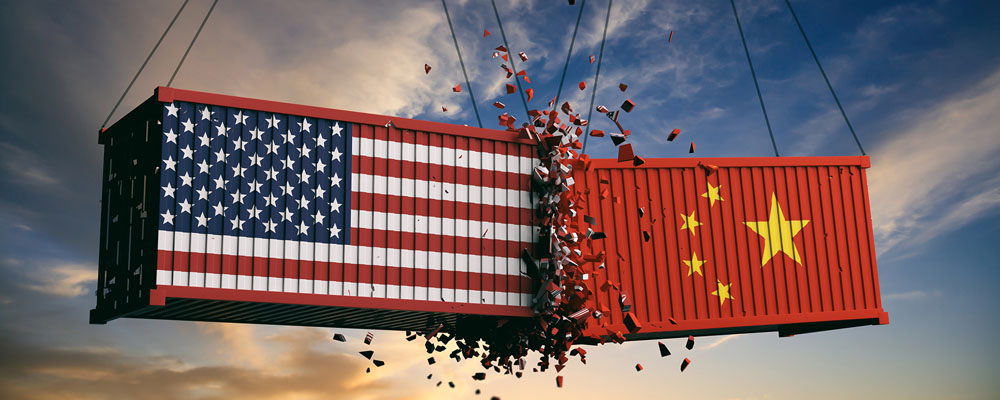
#### [The Impact of the USA-China 'Trade War' on the Bulk Bag Industry](https://blog.nationalbulkbag.com/fibc-bulk-bags/impact-of-usa-china-trade-war-fibc-bulk-bag-industry)
[Bulk Bags](https://blog.nationalbulkbag.com/topic/bulk-bags)
## [The Impact of the USA-China 'Trade War' on the Bulk Bag Industry](https://blog.nationalbulkbag.com/fibc-bulk-bags/impact-of-usa-china-trade-war-fibc-bulk-bag-industry)
Uncertainty is often the enemy of markets and industries. It’s been in the headlines for almost 2 years now – the “looming” trade war with China. Now, to be sure, we’re not here to analyze the dispute as a whole or pass judgement on whether it’s a full-blown trade war or simply the start of one. No matter what one may think of the current situation between the United States and China, there is no doubt it has created a great amount of uncertainty around the industries that source materials and products from Asia.
By [Janette Lais](https://blog.nationalbulkbag.com/author/janette-lais)
February 23, 2019
Categories: [Bulk Bags](https://blog.nationalbulkbag.com/topic/bulk-bags)
[0 Comments](https://blog.nationalbulkbag.com/fibc-bulk-bags/impact-of-usa-china-trade-war-fibc-bulk-bag-industry#comments-listing)
[Read More](https://blog.nationalbulkbag.com/fibc-bulk-bags/impact-of-usa-china-trade-war-fibc-bulk-bag-industry)
[Permalink](https://blog.nationalbulkbag.com/fibc-bulk-bags/what-are-fully-automated-fibc-bulk-bag-bagging-systems)
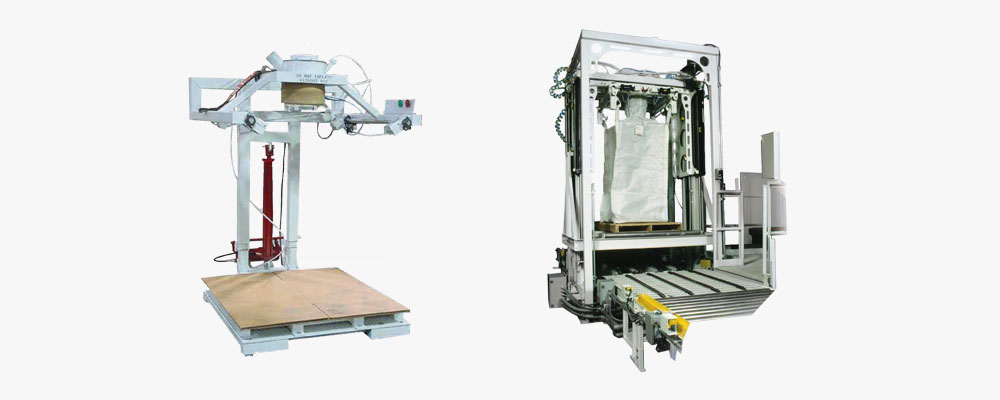
#### [What Are Fully Automated FIBC Bagging Systems?](https://blog.nationalbulkbag.com/fibc-bulk-bags/what-are-fully-automated-fibc-bulk-bag-bagging-systems)
[Bulk Bags](https://blog.nationalbulkbag.com/topic/bulk-bags)
## [What Are Fully Automated FIBC Bagging Systems?](https://blog.nationalbulkbag.com/fibc-bulk-bags/what-are-fully-automated-fibc-bulk-bag-bagging-systems)
If you’re currently using flexible intermediate bulk containers in a production facility, then you know it’s quite a monumental task moving bags throughout your facility. Moving empty bags, filling them up with product, moving them across your facility to ship and/or discharge; it can be quite the manual process involving a lot of labor. However, there are solutions that can significantly reduce the amount of manual labor required to do all these tasks while simultaneously improving the overall safety of your facility. We are talking about automated bagging systems.
By [Janette Lais](https://blog.nationalbulkbag.com/author/janette-lais)
February 11, 2019
Categories: [Bulk Bags](https://blog.nationalbulkbag.com/topic/bulk-bags)
[0 Comments](https://blog.nationalbulkbag.com/fibc-bulk-bags/what-are-fully-automated-fibc-bulk-bag-bagging-systems#comments-listing)
[Read More](https://blog.nationalbulkbag.com/fibc-bulk-bags/what-are-fully-automated-fibc-bulk-bag-bagging-systems)
[Permalink](https://blog.nationalbulkbag.com/fibc-bulk-bag-safety/how-to-weigh-industrial-fibc-bulk-bags-safe-working-load)
#### [How to Weigh Bulk Bags and Stay Within the Rated Safe Working Load (SWL)](https://blog.nationalbulkbag.com/fibc-bulk-bag-safety/how-to-weigh-industrial-fibc-bulk-bags-safe-working-load)
[Bulk Bag Safety](https://blog.nationalbulkbag.com/topic/bulk-bag-safety)
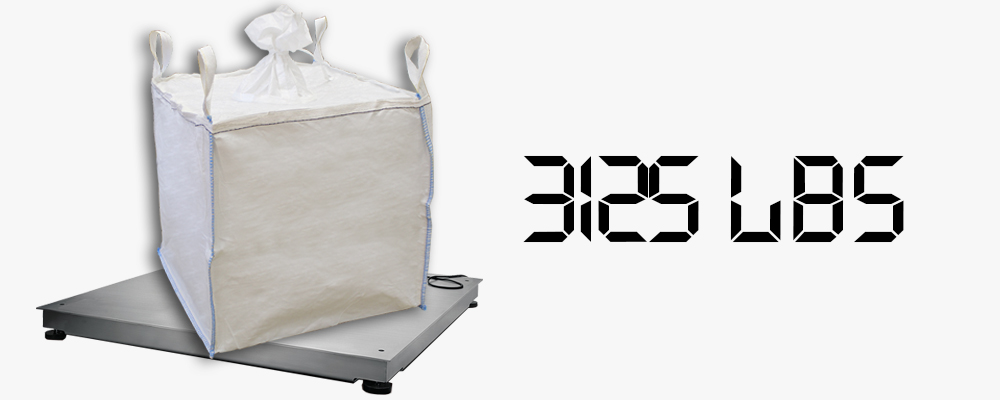
## [How to Weigh Bulk Bags and Stay Within the Rated Safe Working Load (SWL)](https://blog.nationalbulkbag.com/fibc-bulk-bag-safety/how-to-weigh-industrial-fibc-bulk-bags-safe-working-load)
Transporting and/or storing large amounts of materials in large flexible bags (like FIBCs) can be inherently dangerous. Because of this, we talk a lot about safety. It cannot be understated how important the safe use of bulk bags is to us at National Bulk Bag. Safe working load (SWL) is one of the most important things any user should know about the bag they’ve purchased. But how do you find out the SWL of the bag you’re using? How do you know when you’re exceeding your SWL? In this post, we take a deeper dive into safe working load and examine the various ways to weigh FIBCs and ensure\[...\]
By [Janette Lais](https://blog.nationalbulkbag.com/author/janette-lais)
January 25, 2019
Categories: [Bulk Bag Safety](https://blog.nationalbulkbag.com/topic/bulk-bag-safety)
[0 Comments](https://blog.nationalbulkbag.com/fibc-bulk-bag-safety/how-to-weigh-industrial-fibc-bulk-bags-safe-working-load#comments-listing)
[Read More](https://blog.nationalbulkbag.com/fibc-bulk-bag-safety/how-to-weigh-industrial-fibc-bulk-bags-safe-working-load)
[Permalink](https://blog.nationalbulkbag.com/bulk-bag-liners/what-is-a-tubular-fibc-bulk-bag-liner)
#### [What is a Tubular Bulk Bag Liner?](https://blog.nationalbulkbag.com/bulk-bag-liners/what-is-a-tubular-fibc-bulk-bag-liner)
[Bulk Bag Liners](https://blog.nationalbulkbag.com/topic/bulk-bag-liners)
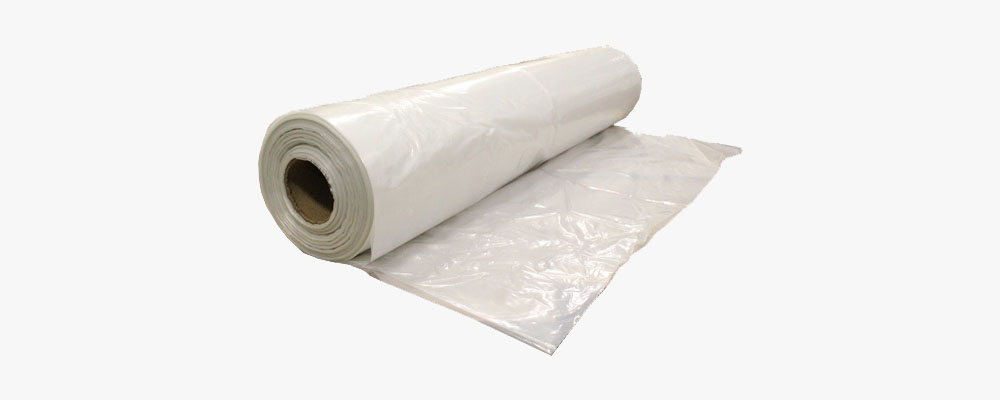
## [What is a Tubular Bulk Bag Liner?](https://blog.nationalbulkbag.com/bulk-bag-liners/what-is-a-tubular-fibc-bulk-bag-liner)
For an industrial product that seems so simple at first glance, it’s truly amazing how many combinations and variations of bulk bags there are. After all, how much different can one bag be from another? The answer: quite a bit, and it’s no different for bulk bag liners. Sure, a bag liner is simply a polyethylene plastic bag\* that is placed into an existing bag – but they aren’t all the same. That brings us to today’s discussion regarding tubular liners. What is a tubular liner? How does it differ from a standard FIBC liner? Let’s explore.
By [Jenny Rosa](https://blog.nationalbulkbag.com/author/jenny-rosa)
January 10, 2019
Categories: [Bulk Bag Liners](https://blog.nationalbulkbag.com/topic/bulk-bag-liners)
[0 Comments](https://blog.nationalbulkbag.com/bulk-bag-liners/what-is-a-tubular-fibc-bulk-bag-liner#comments-listing)
[Read More](https://blog.nationalbulkbag.com/bulk-bag-liners/what-is-a-tubular-fibc-bulk-bag-liner)
[Permalink](https://blog.nationalbulkbag.com/bulk-bag-construction/what-are-fibc-flaps-when-you-should-use-one)
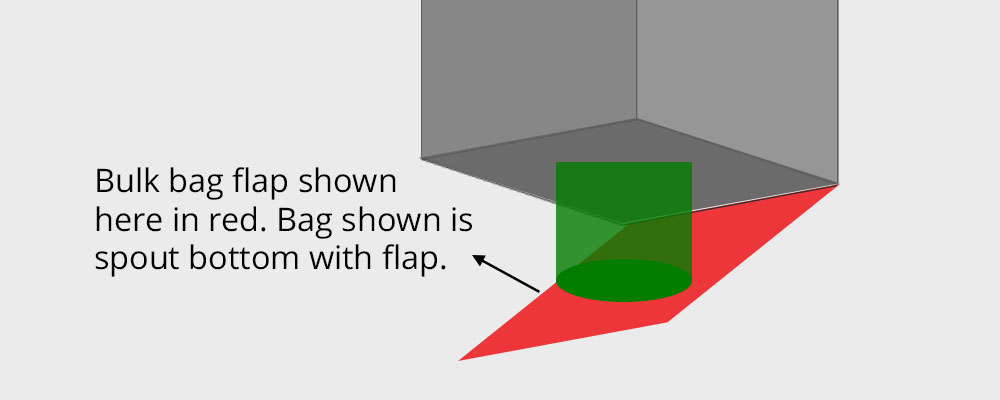
#### [What is a FIBC Flap? When Should You Use One?](https://blog.nationalbulkbag.com/bulk-bag-construction/what-are-fibc-flaps-when-you-should-use-one)
[Bulk Bag Construction](https://blog.nationalbulkbag.com/topic/bulk-bag-construction)
## [What is a FIBC Flap? When Should You Use One?](https://blog.nationalbulkbag.com/bulk-bag-construction/what-are-fibc-flaps-when-you-should-use-one)
We talk a lot about FIBC construction on the NBB blog, and for good reason. With all the variations and combination of bags, it would be impressive if we ever get to the point where we’ve covered them all. Nonetheless we will continue our pursuit to make sure we talk about as many as we can no matter how obscure or specialized some may be. That brings us to bulk bag flaps. What are they? What do they do? Would they be a good fit for your product and/or application? Let’s discuss.
By [Janette Lais](https://blog.nationalbulkbag.com/author/janette-lais)
December 07, 2018
Categories: [Bulk Bag Construction](https://blog.nationalbulkbag.com/topic/bulk-bag-construction)
[0 Comments](https://blog.nationalbulkbag.com/bulk-bag-construction/what-are-fibc-flaps-when-you-should-use-one#comments-listing)
[Read More](https://blog.nationalbulkbag.com/bulk-bag-construction/what-are-fibc-flaps-when-you-should-use-one)

[Permalink](https://blog.nationalbulkbag.com/bulk-bag-construction/what-is-uv-stabilization-how-does-it-impact-fibc-bulk-bags)
#### [What is UV Stabilization? How Does it Impact FIBC Bulk Bags?](https://blog.nationalbulkbag.com/bulk-bag-construction/what-is-uv-stabilization-how-does-it-impact-fibc-bulk-bags)
[Bulk Bag Construction](https://blog.nationalbulkbag.com/topic/bulk-bag-construction)
## [What is UV Stabilization? How Does it Impact FIBC Bulk Bags?](https://blog.nationalbulkbag.com/bulk-bag-construction/what-is-uv-stabilization-how-does-it-impact-fibc-bulk-bags)
If you’ve done any research on flexible intermediate bulk containers outside of [Nationalbulkbag.com](https://www.nationalbulkbag.com) you’ve probably run into some pretty bad information at some point or another. In general, the internet is rife with bad information, misconceptions, and downright lies. The bulk bag industry is no exception. UV stabilization in particular is one bag feature that has stuck out to us as a treasure trove of misinformation in the industry. Today, we attempt to set the record straight about UV stabilization. What does it mean? How does it impact use? Is it safe to store bags outside? Let’s explore.
By [Jenny Rosa](https://blog.nationalbulkbag.com/author/jenny-rosa)
November 28, 2018
Categories: [Bulk Bag Construction](https://blog.nationalbulkbag.com/topic/bulk-bag-construction)
[0 Comments](https://blog.nationalbulkbag.com/bulk-bag-construction/what-is-uv-stabilization-how-does-it-impact-fibc-bulk-bags#comments-listing)
[Read More](https://blog.nationalbulkbag.com/bulk-bag-construction/what-is-uv-stabilization-how-does-it-impact-fibc-bulk-bags)

[Permalink](https://blog.nationalbulkbag.com/fibc-bulk-bags/best-bulk-bag-practices-handling-wet-products-materials)
#### [Best Bulk Bag Practices When Handling Wet Products and Materials](https://blog.nationalbulkbag.com/fibc-bulk-bags/best-bulk-bag-practices-handling-wet-products-materials)
[Bulk Bags](https://blog.nationalbulkbag.com/topic/bulk-bags)
## [Best Bulk Bag Practices When Handling Wet Products and Materials](https://blog.nationalbulkbag.com/fibc-bulk-bags/best-bulk-bag-practices-handling-wet-products-materials)
Recently we discussed using full bottom discharge (diaper bottom) flexible intermediate bulk containers with certain products like wet coffee grounds and other wet or high moisture products. This brought to light that we at the National Bulk Bag blog have not talked very much about the use of bulk bags with wet/high moisture products and/or materials. Let’s change that. In this post, we discuss the best practices when handling wet products and/or materials and what bag features to look for that can help mitigate some of the issues that come with those products/materials.
By [Janette Lais](https://blog.nationalbulkbag.com/author/janette-lais)
November 07, 2018
Categories: [Bulk Bags](https://blog.nationalbulkbag.com/topic/bulk-bags)
[0 Comments](https://blog.nationalbulkbag.com/fibc-bulk-bags/best-bulk-bag-practices-handling-wet-products-materials#comments-listing)
[Read More](https://blog.nationalbulkbag.com/fibc-bulk-bags/best-bulk-bag-practices-handling-wet-products-materials)

[Permalink](https://blog.nationalbulkbag.com/bulk-bag-construction/all-about-full-bottom-discharge-diaper-bottom-fibc-bulk-bags)
#### [All About Full Bottom Discharge FIBCs ("Diaper Bottom")](https://blog.nationalbulkbag.com/bulk-bag-construction/all-about-full-bottom-discharge-diaper-bottom-fibc-bulk-bags)
[Bulk Bag Construction](https://blog.nationalbulkbag.com/topic/bulk-bag-construction)
## [All About Full Bottom Discharge FIBCs ("Diaper Bottom")](https://blog.nationalbulkbag.com/bulk-bag-construction/all-about-full-bottom-discharge-diaper-bottom-fibc-bulk-bags)
At National Bulk Bag, we talk about FIBC construction a lot and for a good reason. The sheer volume of customization options available in the industry can be overwhelming. From coating options to top and bottom construction to vented sides, there are hundreds of possibilities and combinations of bag construction. This makes the topic a natural area to cover thoroughly on our blog. For most products and applications, a spout or flat bottom FIBC is the ideal bottom construction. However, what if your application requires faster discharge? Or a larger opening? For those situations we recommend a\[...\]
By [Jenny Rosa](https://blog.nationalbulkbag.com/author/jenny-rosa)
October 24, 2018
Categories: [Bulk Bag Construction](https://blog.nationalbulkbag.com/topic/bulk-bag-construction)
[0 Comments](https://blog.nationalbulkbag.com/bulk-bag-construction/all-about-full-bottom-discharge-diaper-bottom-fibc-bulk-bags#comments-listing)
[Read More](https://blog.nationalbulkbag.com/bulk-bag-construction/all-about-full-bottom-discharge-diaper-bottom-fibc-bulk-bags)
[Permalink](https://blog.nationalbulkbag.com/fibc-bulk-bags/6-reasons-why-fibc-bulk-bags-are-the-right-bulk-packaging-option-for-your-business)
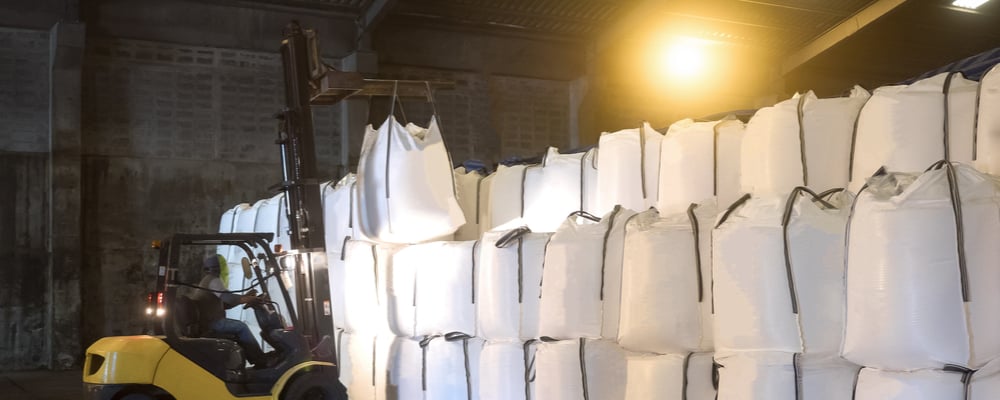
#### [6 Reasons Why FIBC Bulk Bags Are the Right Bulk Packaging Option for Your Business](https://blog.nationalbulkbag.com/fibc-bulk-bags/6-reasons-why-fibc-bulk-bags-are-the-right-bulk-packaging-option-for-your-business)
[Bulk Bags](https://blog.nationalbulkbag.com/topic/bulk-bags)
## [6 Reasons Why FIBC Bulk Bags Are the Right Bulk Packaging Option for Your Business](https://blog.nationalbulkbag.com/fibc-bulk-bags/6-reasons-why-fibc-bulk-bags-are-the-right-bulk-packaging-option-for-your-business)
Updated: 1-19-2023
Flexible Intermediate Bulk Containers (FIBCs) are an ideal bulk packaging option for businesses all over the world. These industrial containers provide a cost-effective option for a wide range of applications. Whether you are storing and/or transporting a dry flowable product, food grade products, or even hazardous materials, bulk bags can store and transport your product safely and efficiently.
By [Jenny Rosa](https://blog.nationalbulkbag.com/author/jenny-rosa)
October 12, 2018
Categories: [Bulk Bags](https://blog.nationalbulkbag.com/topic/bulk-bags)
[0 Comments](https://blog.nationalbulkbag.com/fibc-bulk-bags/6-reasons-why-fibc-bulk-bags-are-the-right-bulk-packaging-option-for-your-business#comments-listing)
[Read More](https://blog.nationalbulkbag.com/fibc-bulk-bags/6-reasons-why-fibc-bulk-bags-are-the-right-bulk-packaging-option-for-your-business)
[Permalink](https://blog.nationalbulkbag.com/fibc-bulk-bag-industries/3-important-features-fibc-bulk-bags-industrial-hemp)
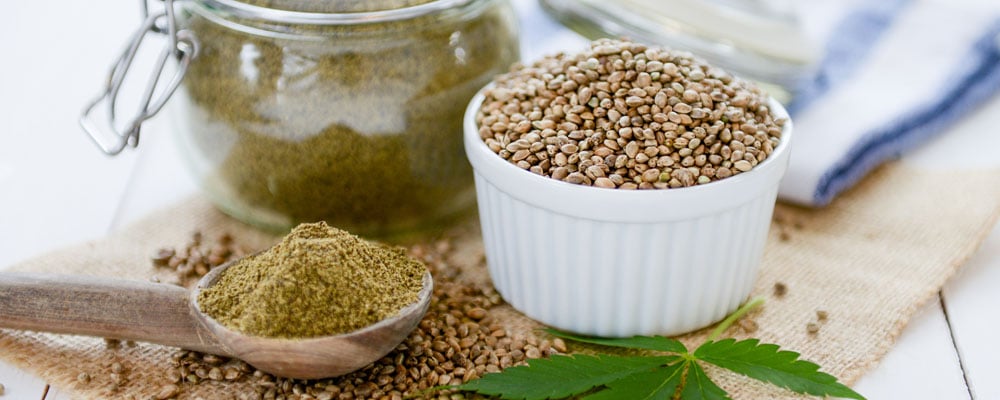
#### [3 Important Features to Look for When Using Bulk Bags for Industrial Hemp](https://blog.nationalbulkbag.com/fibc-bulk-bag-industries/3-important-features-fibc-bulk-bags-industrial-hemp)
[Bulk Bag Industries](https://blog.nationalbulkbag.com/topic/bulk-bag-industries)
## [3 Important Features to Look for When Using Bulk Bags for Industrial Hemp](https://blog.nationalbulkbag.com/fibc-bulk-bag-industries/3-important-features-fibc-bulk-bags-industrial-hemp)
If you’ve been following the National Bulk Bag blog, then you’ll know we’ve been covering the industrial hemp industry a lot recently. We’ve covered why flexible intermediate bulk containersare a great fit for the industry and which specific bags are a good fit for use. However, we haven’t talked much about the specific features that make certain FIBCs a better fit and why. If you’re in these industries, this post is for you. It is our hope that we can help guide you in your purchasing decision and aid you in your quest to find the right bag for your product and application.
By [Janette Lais](https://blog.nationalbulkbag.com/author/janette-lais)
September 27, 2018
Categories: [Bulk Bag Industries](https://blog.nationalbulkbag.com/topic/bulk-bag-industries)
[0 Comments](https://blog.nationalbulkbag.com/fibc-bulk-bag-industries/3-important-features-fibc-bulk-bags-industrial-hemp#comments-listing)
[Read More](https://blog.nationalbulkbag.com/fibc-bulk-bag-industries/3-important-features-fibc-bulk-bags-industrial-hemp)
[Permalink](https://blog.nationalbulkbag.com/bulk-bag-construction/spout-bottom-vs-flat-bottom-bulk-bags-whats-right-for-your-application)
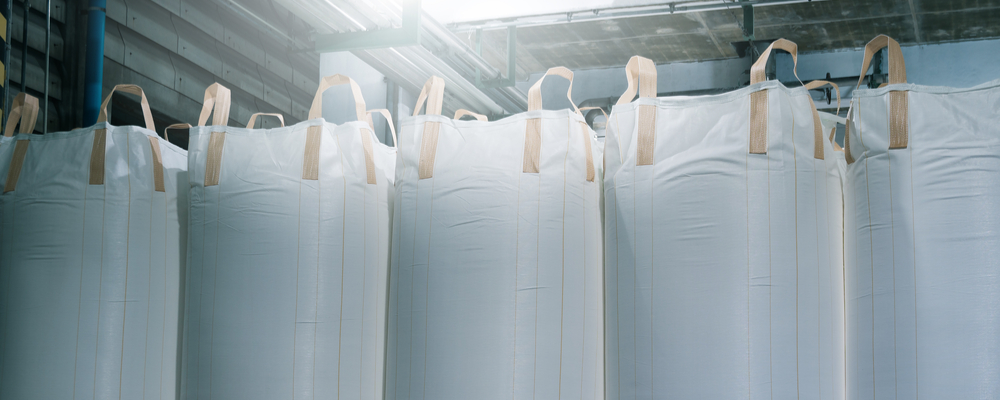
#### [Spout Bottom vs. Flat Bottom Bulk Bags - What's Right For Your Application?](https://blog.nationalbulkbag.com/bulk-bag-construction/spout-bottom-vs-flat-bottom-bulk-bags-whats-right-for-your-application)
[Bulk Bag Construction](https://blog.nationalbulkbag.com/topic/bulk-bag-construction)
## [Spout Bottom vs. Flat Bottom Bulk Bags - What's Right For Your Application?](https://blog.nationalbulkbag.com/bulk-bag-construction/spout-bottom-vs-flat-bottom-bulk-bags-whats-right-for-your-application)
One critical question to ask yourself when considering purchasing flexible intermediate bulk containers is “how am I going to discharge this bag?” There are a variety of ways to discharge bags but not every method is a good fit for certain applications.
By [Janette Lais](https://blog.nationalbulkbag.com/author/janette-lais)
September 17, 2018
Categories: [Bulk Bag Construction](https://blog.nationalbulkbag.com/topic/bulk-bag-construction)
[2 Comments](https://blog.nationalbulkbag.com/bulk-bag-construction/spout-bottom-vs-flat-bottom-bulk-bags-whats-right-for-your-application#comments-listing)
[Read More](https://blog.nationalbulkbag.com/bulk-bag-construction/spout-bottom-vs-flat-bottom-bulk-bags-whats-right-for-your-application)
[Permalink](https://blog.nationalbulkbag.com/fibc-bulk-bag-industries/what-fibc-bulk-bags-are-best-industrial-hemp-cannabis)
#### [What FIBCs/Bulk Bags are Best for Use in the Cannabis and Hemp Industry?](https://blog.nationalbulkbag.com/fibc-bulk-bag-industries/what-fibc-bulk-bags-are-best-industrial-hemp-cannabis)
[Bulk Bag Industries](https://blog.nationalbulkbag.com/topic/bulk-bag-industries)
## [What FIBCs/Bulk Bags are Best for Use in the Cannabis and Hemp Industry?](https://blog.nationalbulkbag.com/fibc-bulk-bag-industries/what-fibc-bulk-bags-are-best-industrial-hemp-cannabis)
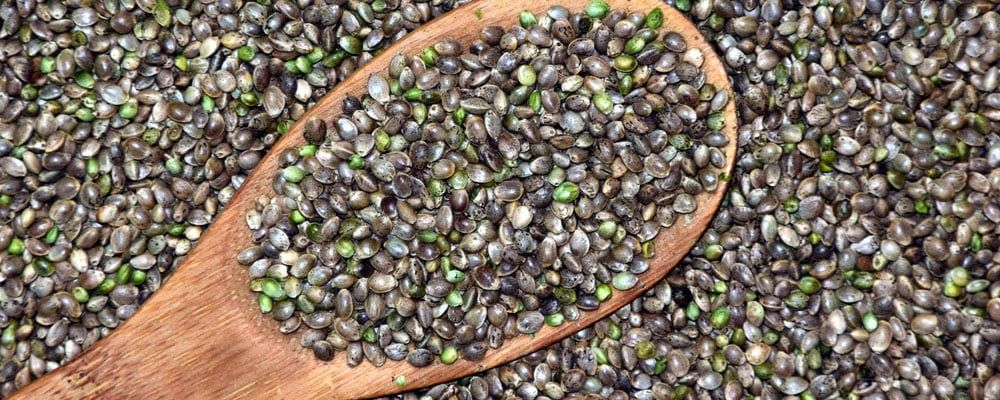
If you’ve been following our blog recently, you know we’ve been discussing the growing business of industrial hemp and cannabis and how bulk bags are a great fit for the various products and applications within. However, we haven’t really dived into what types of FIBCs buyers in those industries should be looking to purchase. There are so many types of [bag construction](https://www.nationalbulkbag.com/bulk-bags/) and different ways to customize the bags it can be downright confusing when first researching. In our second installment in our industrial hemp and cannabis series, we discuss what bag features to look for.
By [Janette Lais](https://blog.nationalbulkbag.com/author/janette-lais)
September 10, 2018
Categories: [Bulk Bag Industries](https://blog.nationalbulkbag.com/topic/bulk-bag-industries)
[0 Comments](https://blog.nationalbulkbag.com/fibc-bulk-bag-industries/what-fibc-bulk-bags-are-best-industrial-hemp-cannabis#comments-listing)
[Read More](https://blog.nationalbulkbag.com/fibc-bulk-bag-industries/what-fibc-bulk-bags-are-best-industrial-hemp-cannabis)
[Permalink](https://blog.nationalbulkbag.com/fibc-bulk-bag-safety/7-critical-points-filling-emptying-bulk-bag-fibc)
#### [The 7 Critical Points for Filling and Emptying a Bulk Bag (FIBC)](https://blog.nationalbulkbag.com/fibc-bulk-bag-safety/7-critical-points-filling-emptying-bulk-bag-fibc)
[Bulk Bag Safety](https://blog.nationalbulkbag.com/topic/bulk-bag-safety)
## [The 7 Critical Points for Filling and Emptying a Bulk Bag (FIBC)](https://blog.nationalbulkbag.com/fibc-bulk-bag-safety/7-critical-points-filling-emptying-bulk-bag-fibc)
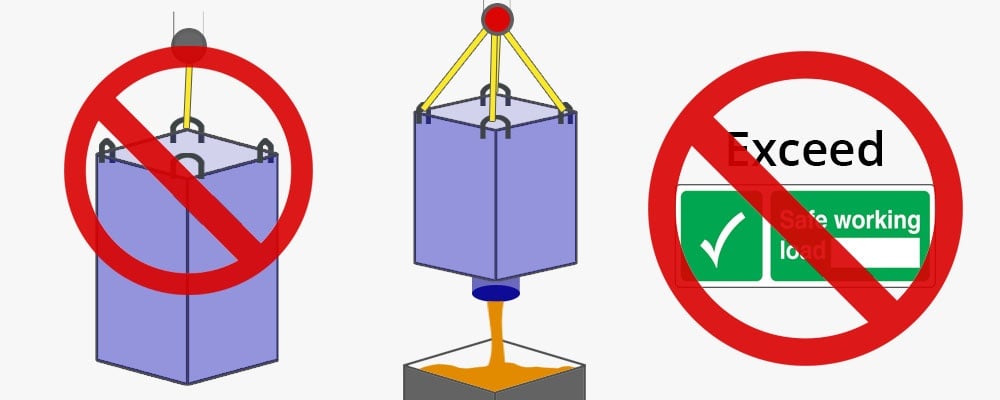
At National Bulk Bag we take safety very seriously. It is a part of everything we do within our own facilities and we know how much safety means to our customers. Part of our on-going commitment to safety is a dedication to keeping up on the latest and greatest trends in the industry and subsequently discussing these trends on our blog.
By [Jenny Rosa](https://blog.nationalbulkbag.com/author/jenny-rosa)
August 29, 2018
Categories: [Bulk Bag Safety](https://blog.nationalbulkbag.com/topic/bulk-bag-safety)
[0 Comments](https://blog.nationalbulkbag.com/fibc-bulk-bag-safety/7-critical-points-filling-emptying-bulk-bag-fibc#comments-listing)
[Read More](https://blog.nationalbulkbag.com/fibc-bulk-bag-safety/7-critical-points-filling-emptying-bulk-bag-fibc)

[Permalink](https://blog.nationalbulkbag.com/food-grade-fibc-bulk-bags/what-is-ifs-food-certification-and-why-is-it-important-to-food-grade-bulk-bag-buyers)
#### [What is IFS Food Certification and Why is it Important to Food Grade Bulk Bag Buyer’s?](https://blog.nationalbulkbag.com/food-grade-fibc-bulk-bags/what-is-ifs-food-certification-and-why-is-it-important-to-food-grade-bulk-bag-buyers)
[Food Grade Bulk Bags](https://blog.nationalbulkbag.com/topic/food-grade-bulk-bags)
## [What is IFS Food Certification and Why is it Important to Food Grade Bulk Bag Buyer’s?](https://blog.nationalbulkbag.com/food-grade-fibc-bulk-bags/what-is-ifs-food-certification-and-why-is-it-important-to-food-grade-bulk-bag-buyers)
Today’s consumers are more conscious than ever about the quality of food they eat. This is apparent whether you are shopping at your local grocery store or dining at your local farm to fork restaurant. To ensure these expectations are met, many in the food supply chain industry require independent verification from their vendors and suppliers that they are consistently practicing proper food safety and quality measures.
By [Janette Lais](https://blog.nationalbulkbag.com/author/janette-lais)
August 17, 2018
Categories: [Food Grade Bulk Bags](https://blog.nationalbulkbag.com/topic/food-grade-bulk-bags)
[0 Comments](https://blog.nationalbulkbag.com/food-grade-fibc-bulk-bags/what-is-ifs-food-certification-and-why-is-it-important-to-food-grade-bulk-bag-buyers#comments-listing)
[Read More](https://blog.nationalbulkbag.com/food-grade-fibc-bulk-bags/what-is-ifs-food-certification-and-why-is-it-important-to-food-grade-bulk-bag-buyers)

[Permalink](https://blog.nationalbulkbag.com/fibc-bulk-bag-industries/why-use-fibcs-bulk-bags-industrial-hemp-cannabis)
#### [Why Use FIBCs/Bulk Bags for Industrial Hemp and Cannabis?](https://blog.nationalbulkbag.com/fibc-bulk-bag-industries/why-use-fibcs-bulk-bags-industrial-hemp-cannabis)
[Bulk Bag Industries](https://blog.nationalbulkbag.com/topic/bulk-bag-industries)
## [Why Use FIBCs/Bulk Bags for Industrial Hemp and Cannabis?](https://blog.nationalbulkbag.com/fibc-bulk-bag-industries/why-use-fibcs-bulk-bags-industrial-hemp-cannabis)
At National Bulk Bag, we pride ourselves in noticing trends in the industry. We also take pride in making sure we take notes on these trends and talk about them with our current and potential customers. That brings us to the latest trend we are seeing: the growing use of bulk bags in the hemp and cannabis industries. Let’s discuss.
By [Janette Lais](https://blog.nationalbulkbag.com/author/janette-lais)
August 10, 2018
Categories: [Bulk Bag Industries](https://blog.nationalbulkbag.com/topic/bulk-bag-industries)
[0 Comments](https://blog.nationalbulkbag.com/fibc-bulk-bag-industries/why-use-fibcs-bulk-bags-industrial-hemp-cannabis#comments-listing)
[Read More](https://blog.nationalbulkbag.com/fibc-bulk-bag-industries/why-use-fibcs-bulk-bags-industrial-hemp-cannabis)

[Permalink](https://blog.nationalbulkbag.com/fibc-bulk-bags/what-is-iso-90012015-why-is-it-important)
#### [What is ISO 9001:2015? Why is it important?](https://blog.nationalbulkbag.com/fibc-bulk-bags/what-is-iso-90012015-why-is-it-important)
[Bulk Bags](https://blog.nationalbulkbag.com/topic/bulk-bags)
## [What is ISO 9001:2015? Why is it important?](https://blog.nationalbulkbag.com/fibc-bulk-bags/what-is-iso-90012015-why-is-it-important)
ISO (International Organization of Standardization) is an independent, non-governmental international organization with a membership of 162 national standards bodies. Through its members, it brings together experts to share knowledge and develop voluntary, consensus-based, market relevant international Standards that support innovation to global challenges.
By [Jenny Rosa](https://blog.nationalbulkbag.com/author/jenny-rosa)
July 31, 2018
Categories: [Bulk Bags](https://blog.nationalbulkbag.com/topic/bulk-bags)
[0 Comments](https://blog.nationalbulkbag.com/fibc-bulk-bags/what-is-iso-90012015-why-is-it-important#comments-listing)
[Read More](https://blog.nationalbulkbag.com/fibc-bulk-bags/what-is-iso-90012015-why-is-it-important)
[Previous](https://blog.nationalbulkbag.com/page/5) [All posts](https://blog.nationalbulkbag.com/all) [Next](https://blog.nationalbulkbag.com/page/7)
Search
### Blog Categories
- [Bulk Bags (62)](https://blog.nationalbulkbag.com/topic/bulk-bags)
- [Bulk Bag Construction (27)](https://blog.nationalbulkbag.com/topic/bulk-bag-construction)
- [Bulk Bag Industries (21)](https://blog.nationalbulkbag.com/topic/bulk-bag-industries)
- [Food Grade Bulk Bags (18)](https://blog.nationalbulkbag.com/topic/food-grade-bulk-bags)
- [Produce Packaging (14)](https://blog.nationalbulkbag.com/topic/produce-packaging)
- [Bulk Bag Safety (11)](https://blog.nationalbulkbag.com/topic/bulk-bag-safety)
- [Bulk Bag Liners (8)](https://blog.nationalbulkbag.com/topic/bulk-bag-liners)
- [Dumpster Bag (6)](https://blog.nationalbulkbag.com/topic/dumpster-bag)
- [UN Certified Bulk Bags (5)](https://blog.nationalbulkbag.com/topic/un-certified-bulk-bags)
- [Pharmaceutical Bulk Bags (2)](https://blog.nationalbulkbag.com/topic/pharmaceutical-bulk-bags)
- [Agriculture Packaging Companies (1)](https://blog.nationalbulkbag.com/topic/agriculture-packaging-companies)
- [Burlap Bags (1)](https://blog.nationalbulkbag.com/topic/burlap-bags)
- [Grinding Media (1)](https://blog.nationalbulkbag.com/topic/grinding-media)
- [firewood bags (1)](https://blog.nationalbulkbag.com/topic/firewood-bags)
#### Download our Product Weight Guide & FIBC Volume Calculator
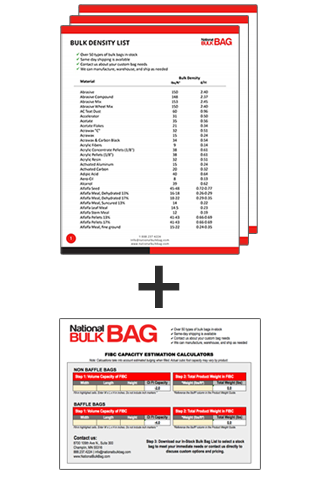
Download our Product Weight Guide and FIBC Volume Calculator to help you determine how much weight a specific bag will hold.
[](https://cta-redirect.hubspot.com/cta/redirect/2567194/5ca59ad3-7098-4d38-bed1-b39894b98efd)
### Subscribe to our blog updates

**National Bulk Bag** has over 75 different types of FIBCs in stock and a team of experts that are ready to help.
### Secondary Navigation
- [Blog](https://blog.nationalbulkbag.com/)
- [Privacy Policy](http://www.nationalbulkbag.com/privacy-policy/)
- [FAQ](http://www.nationalbulkbag.com/faq/)
- [Custom Bags](http://www.nationalbulkbag.com/custom-bulk-bag-design/)
- [Get Quote](https://offers.nationalbulkbag.com/get-a-free-bulk-bag-quote)
- [Industries](http://www.nationalbulkbag.com/bulk-bag-industries/)
- [In-Stock Bags](http://www.nationalbulkbag.com/fibc-bulk-bags/)
- [Why NBB?](http://www.nationalbulkbag.com/why-work-with-national-bulk-bag/)
- [Meet NBB](http://www.nationalbulkbag.com/about-national-bulk-bag/meet-national-bulk-bag/)
- [Bulk Bag Types](http://www.nationalbulkbag.com/types-of-fibc-bulk-bags-a-b-c-d-explained/)
### AN AFFILIATE OF
[](https://www.rapidpackaging.com/)
### CONTACT US
Toll Free: 1-888-237-4224
Fax: 1-888-237-3722
Email: [info@nationalbulkbag.com](mailto:info@nationalbulkbag.com?Subject=National%20Bulk%20Bag%20Inquiry)
Copyright © 2018 National Bulk Bag | All rights reserved
Powered by [Digital 1](http://www.digital1ne.com)
-
-
-
-